2024 Recap

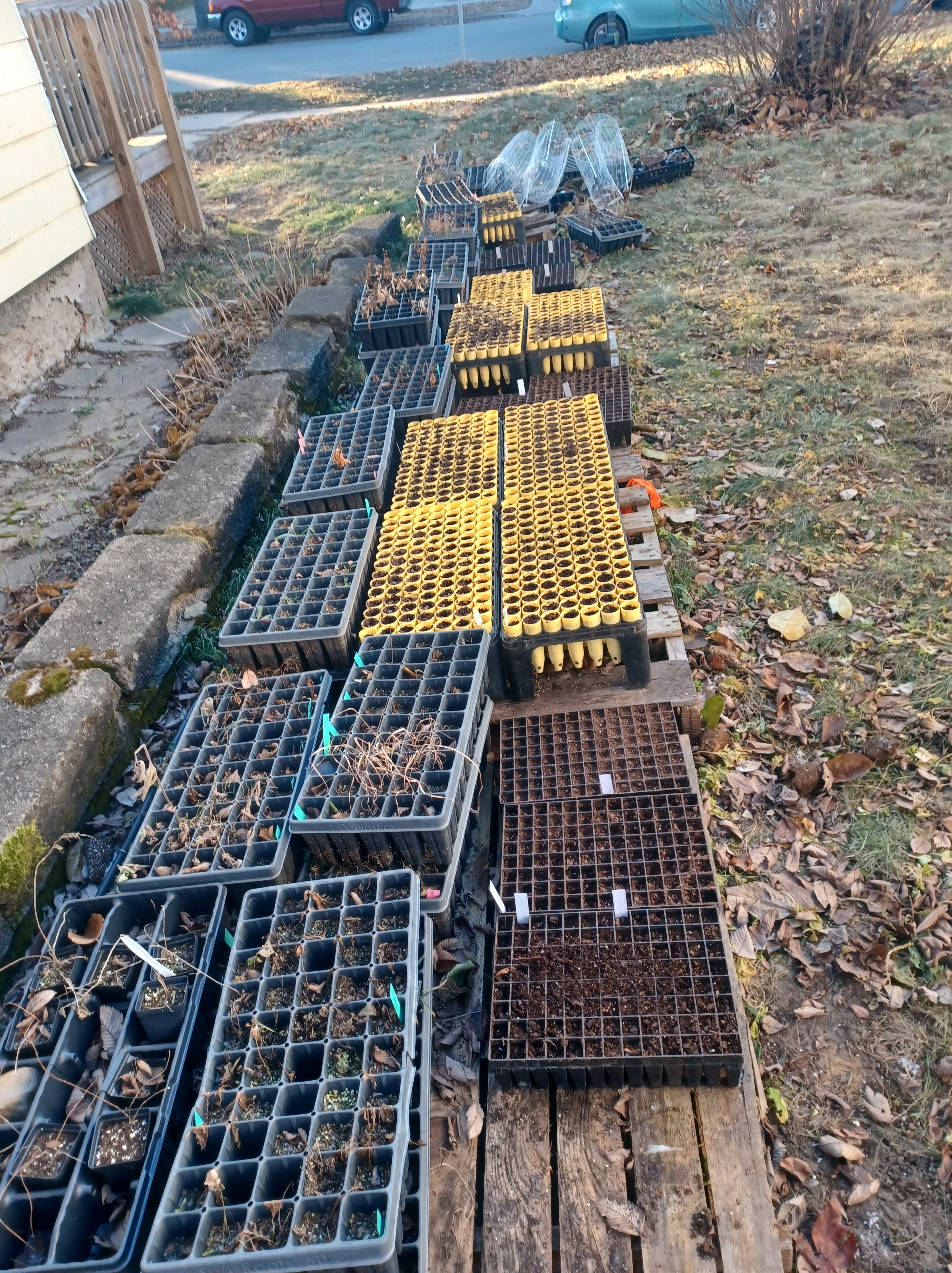
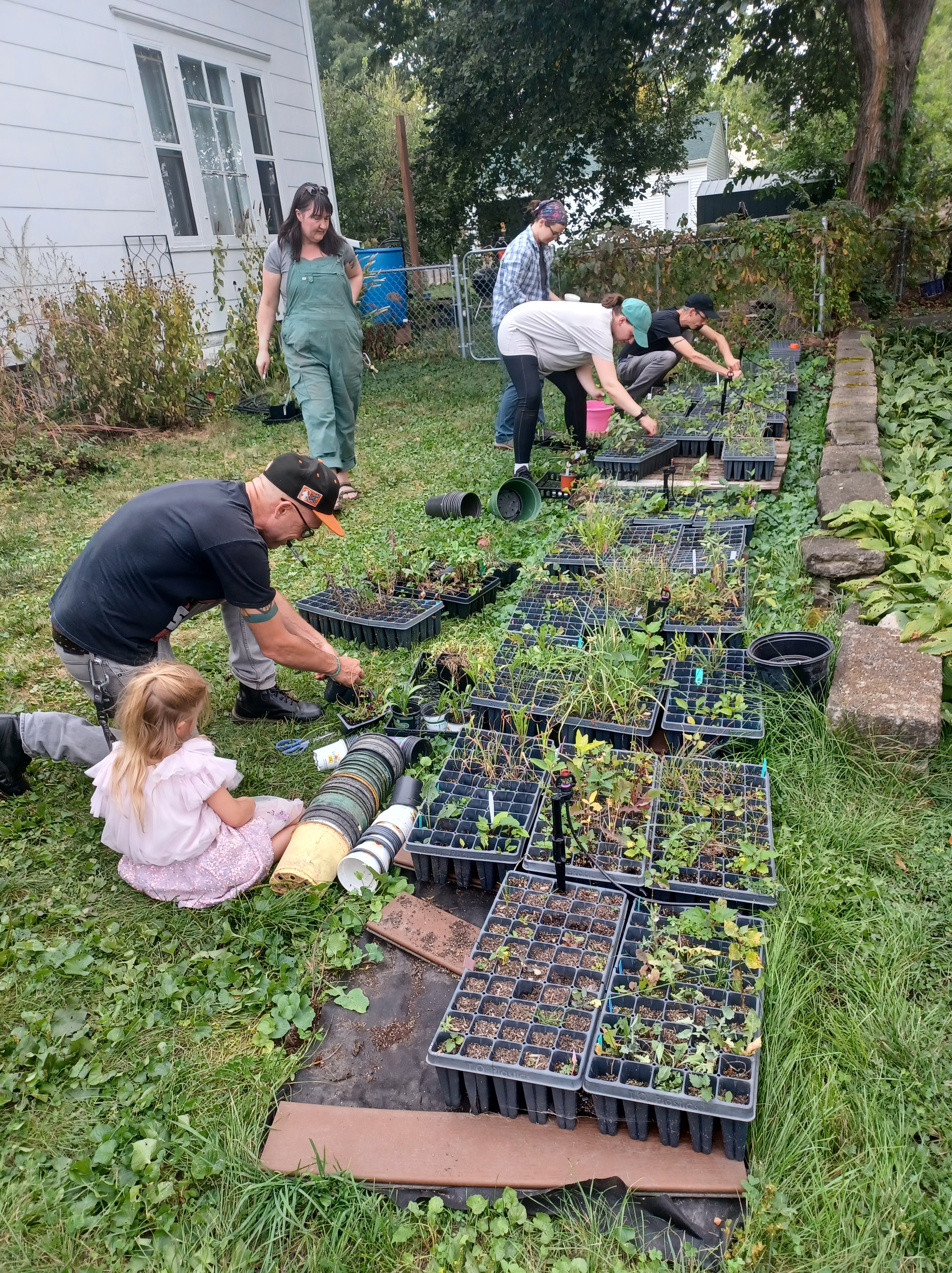
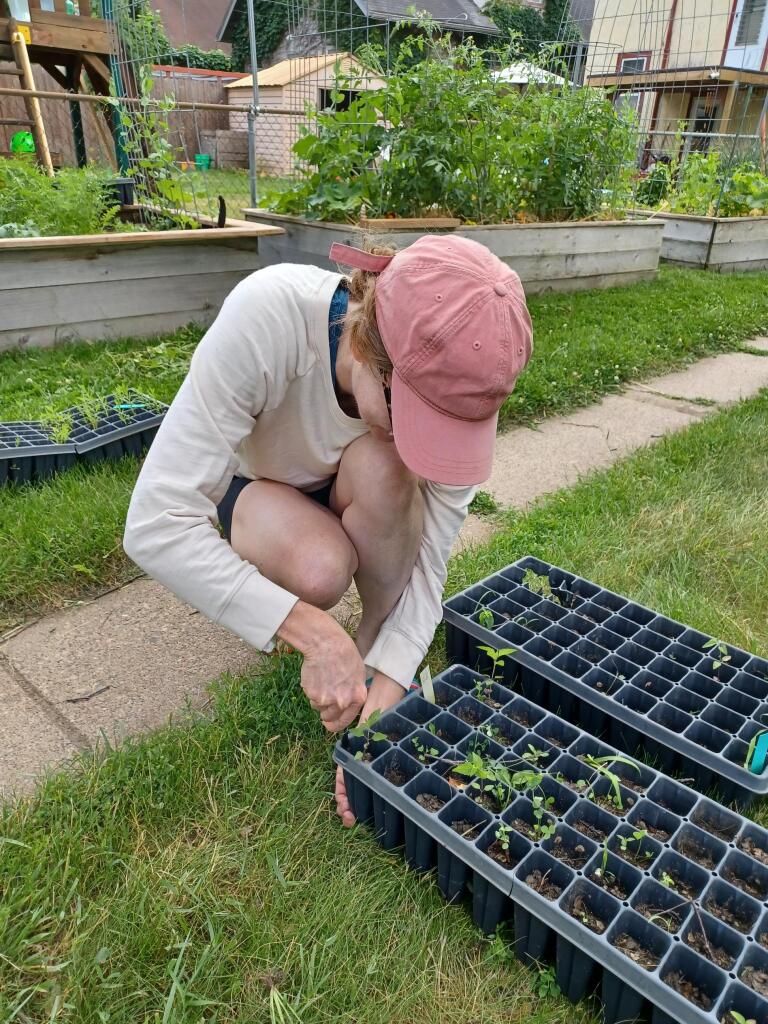
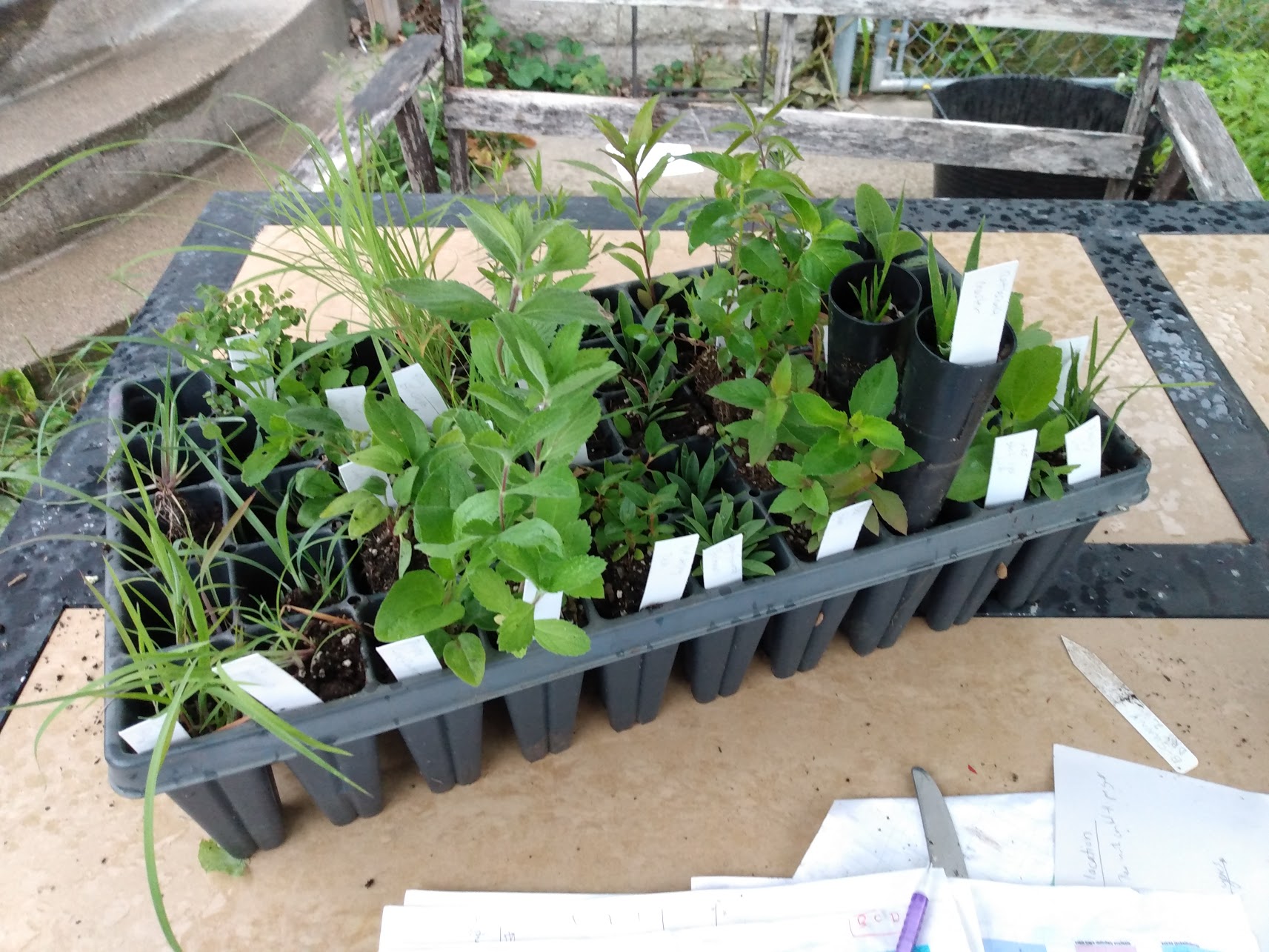
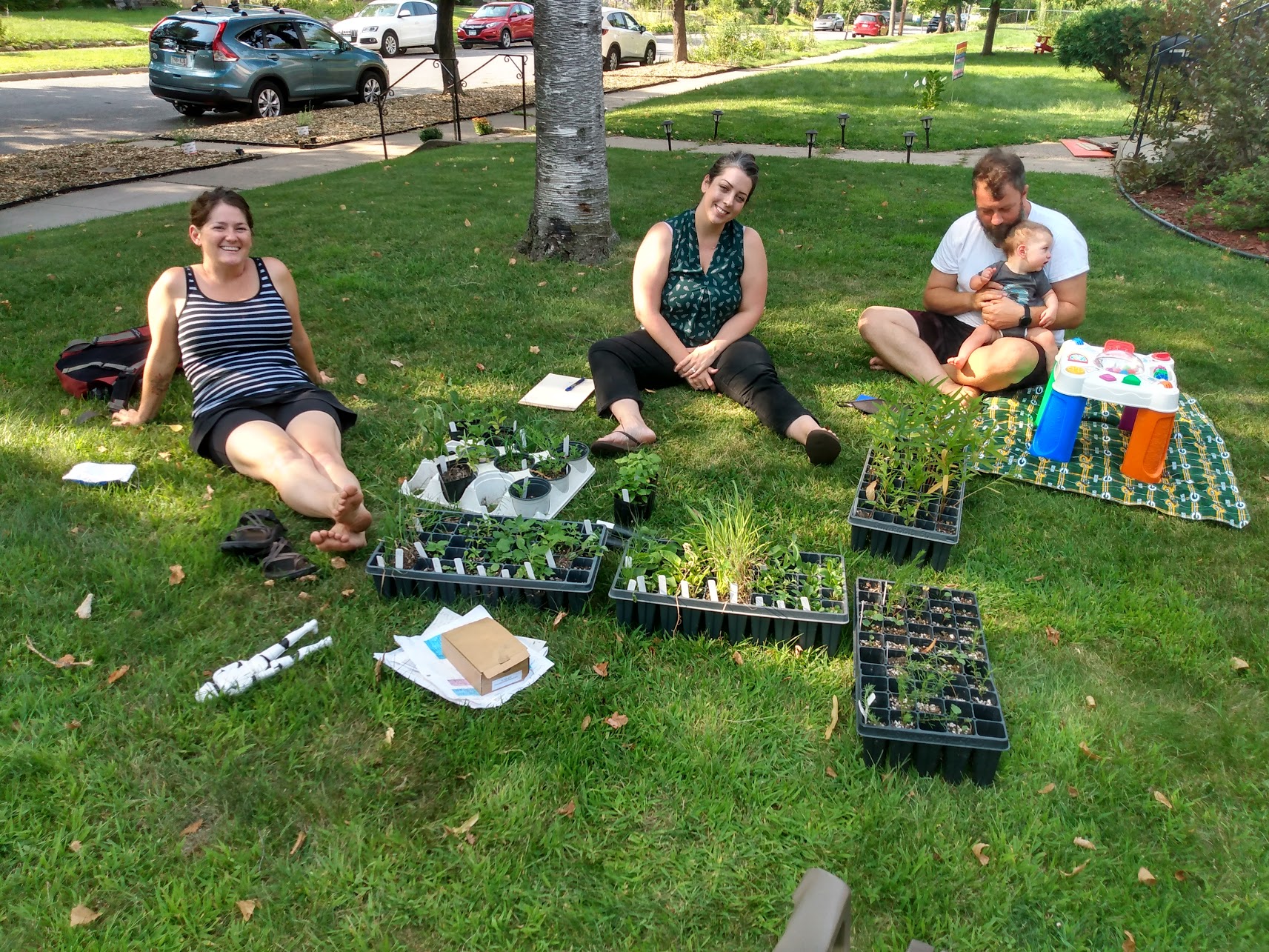
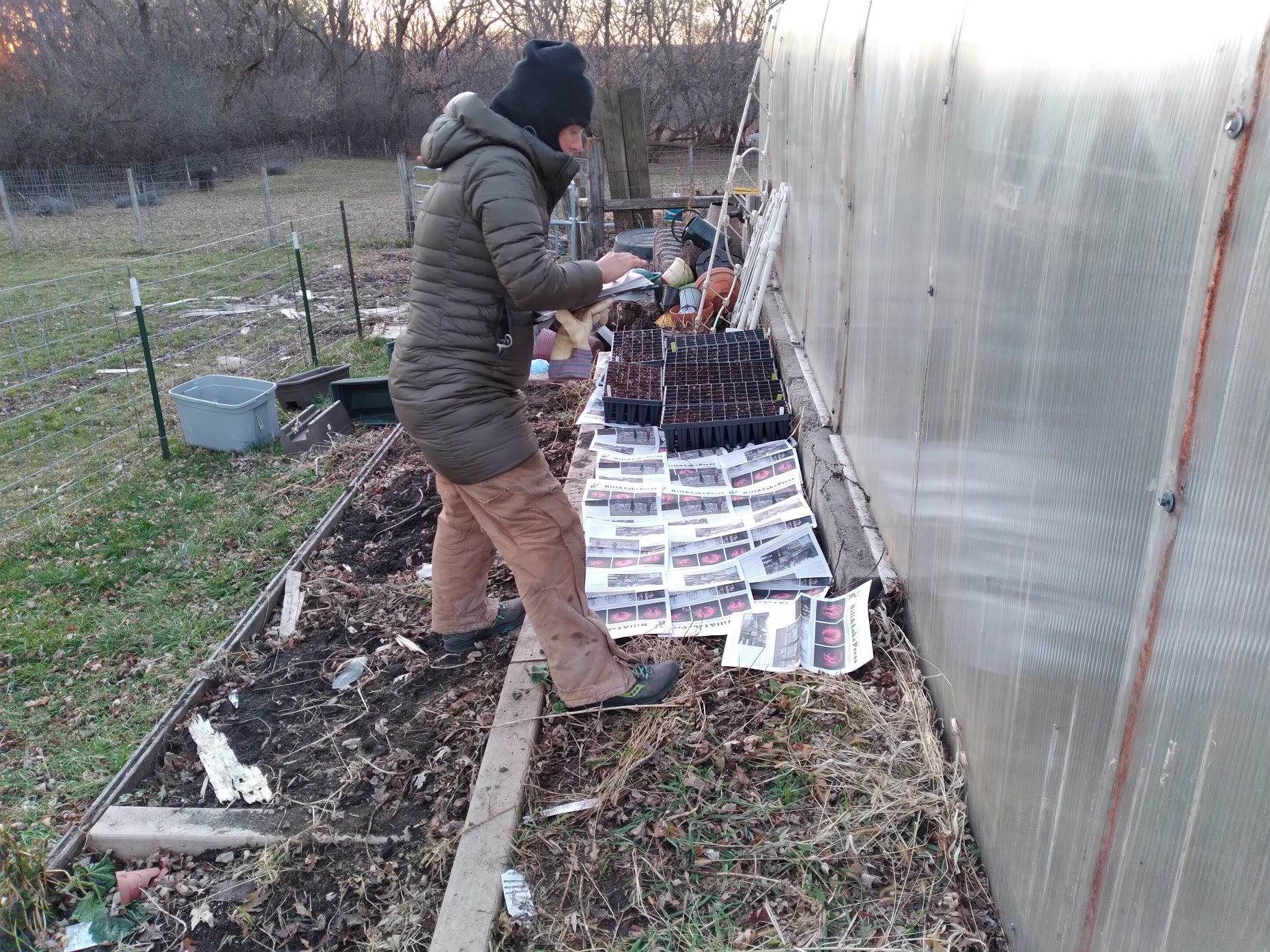
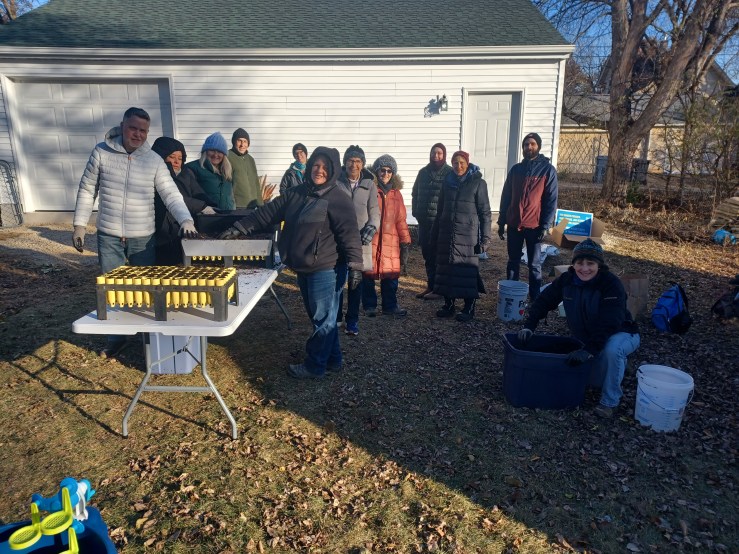
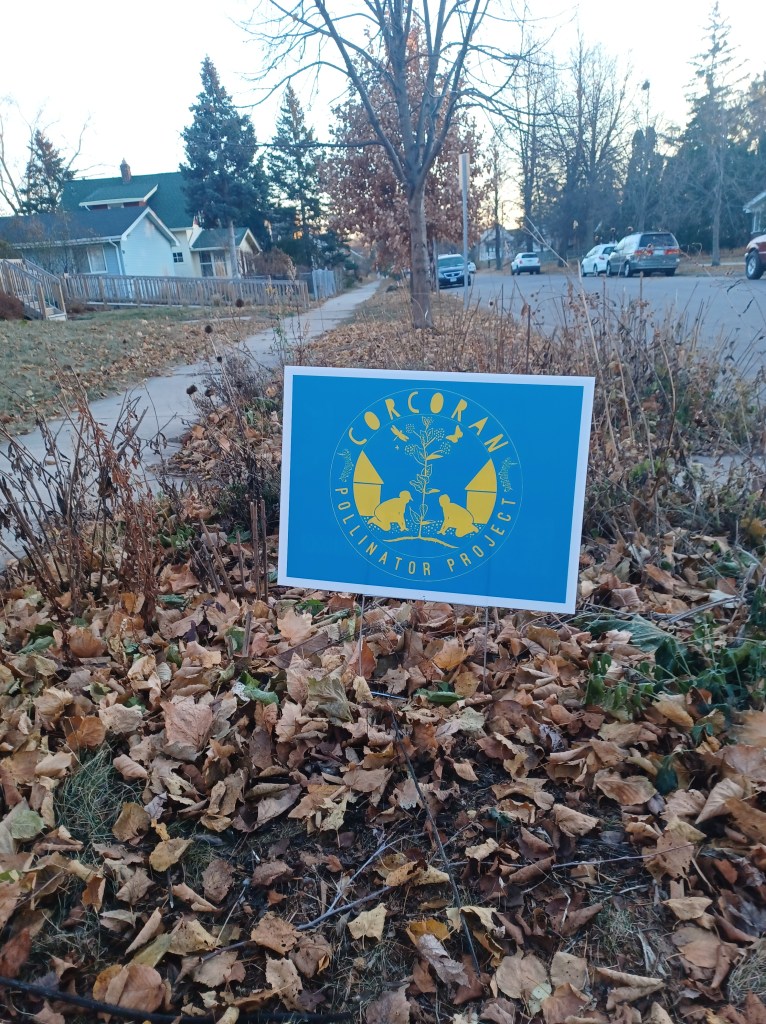
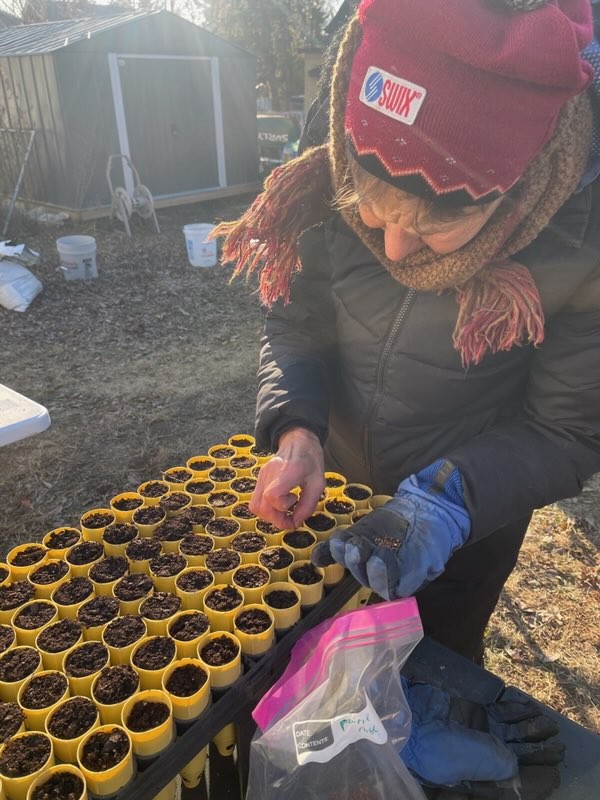
On December 1, 2024, we wrapped up our community projects for 2024 with a seed starting party. Despite the extreme cold (high temp of 18 degrees), we had 14 hearty souls join us to moisten potting soil, fill our new reuseable “conetainers,” and start about 30 species of native seeds that will become plants for CPP gardens in 2025. We also sent people home with seeds, soil, chicken wire cages for the native trees and shrubs we supplied this year, and beautiful CPP lawn signs designed by Charlie Zieke with logo by Sophie Strosberg. (Get in touch if you live in Corcoran neighborhood and need one for your CPP garden!) Many thanks to the Hennepin County Good Stewards grant, which enabled all of our purchases and workshops this year!

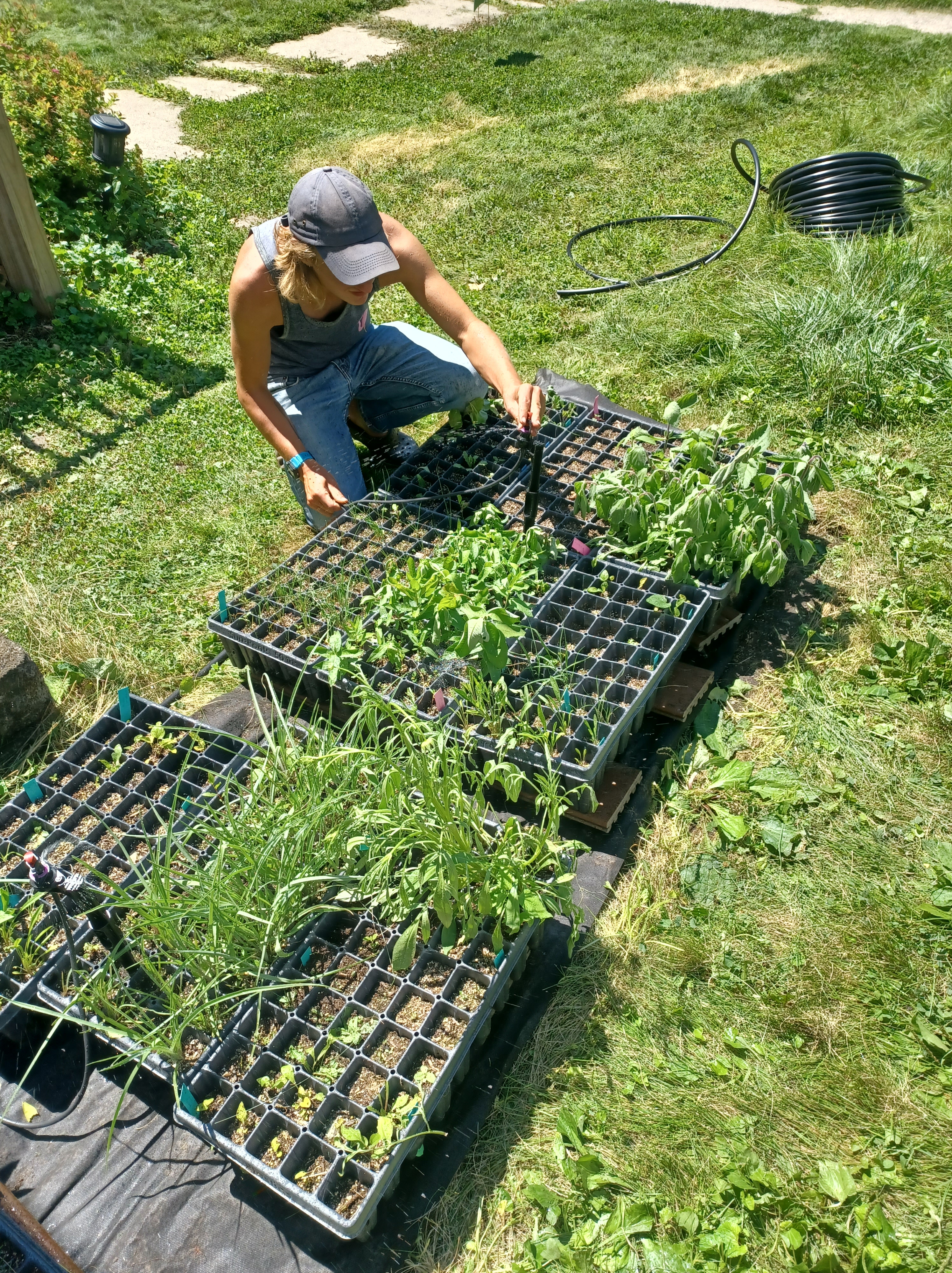
A few more photos from our seed starting day:
And other highlights from this year:

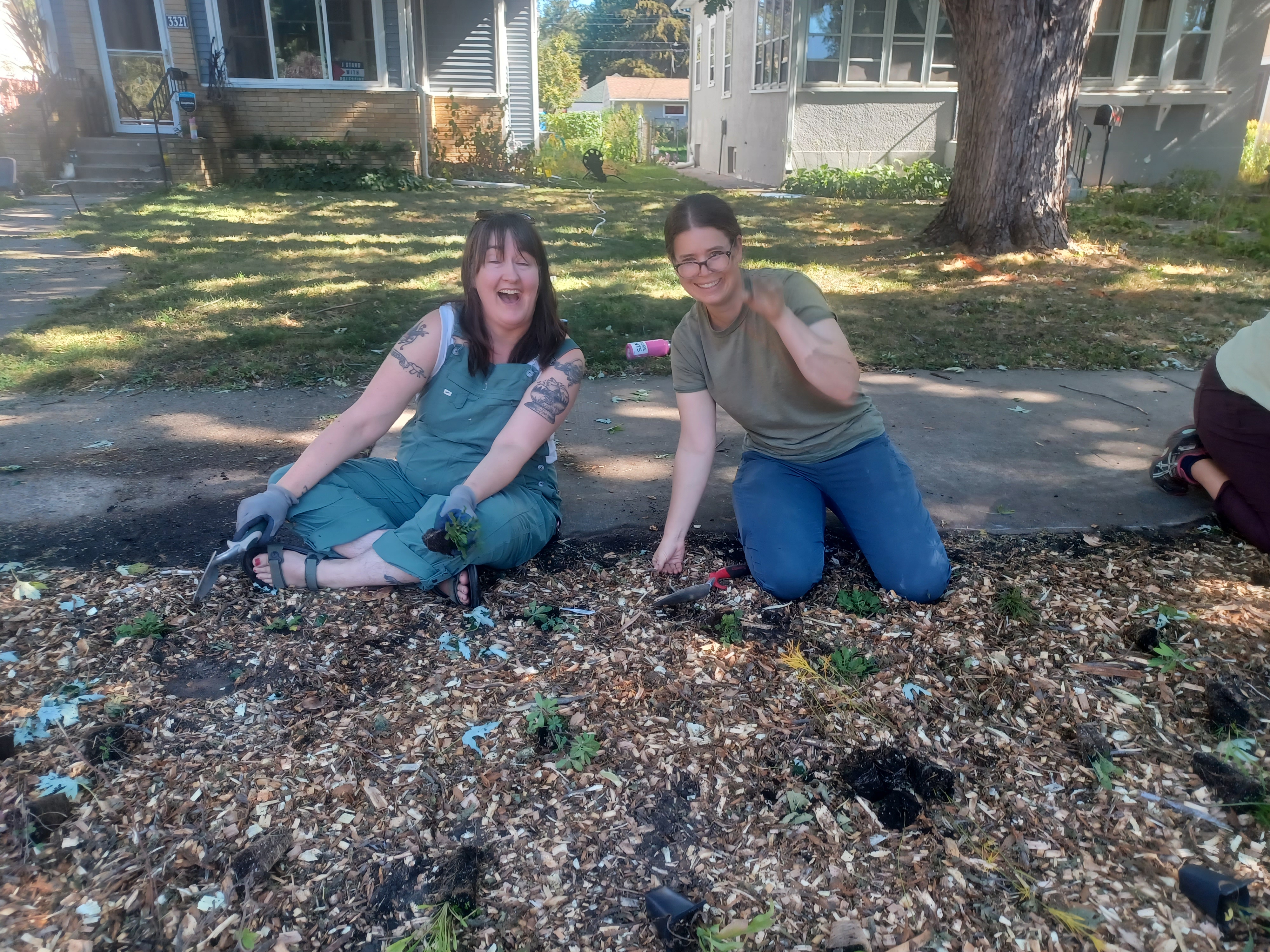
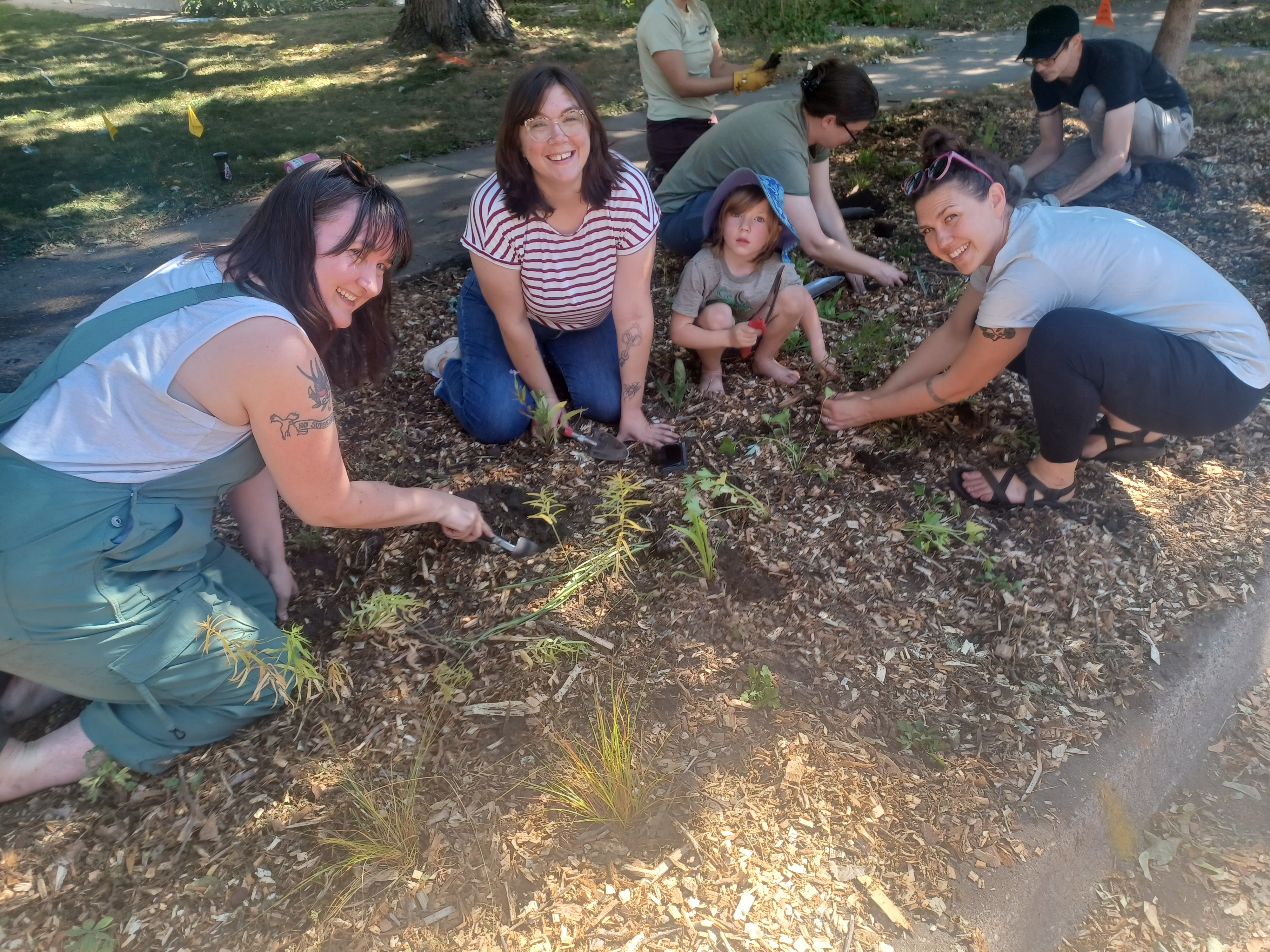
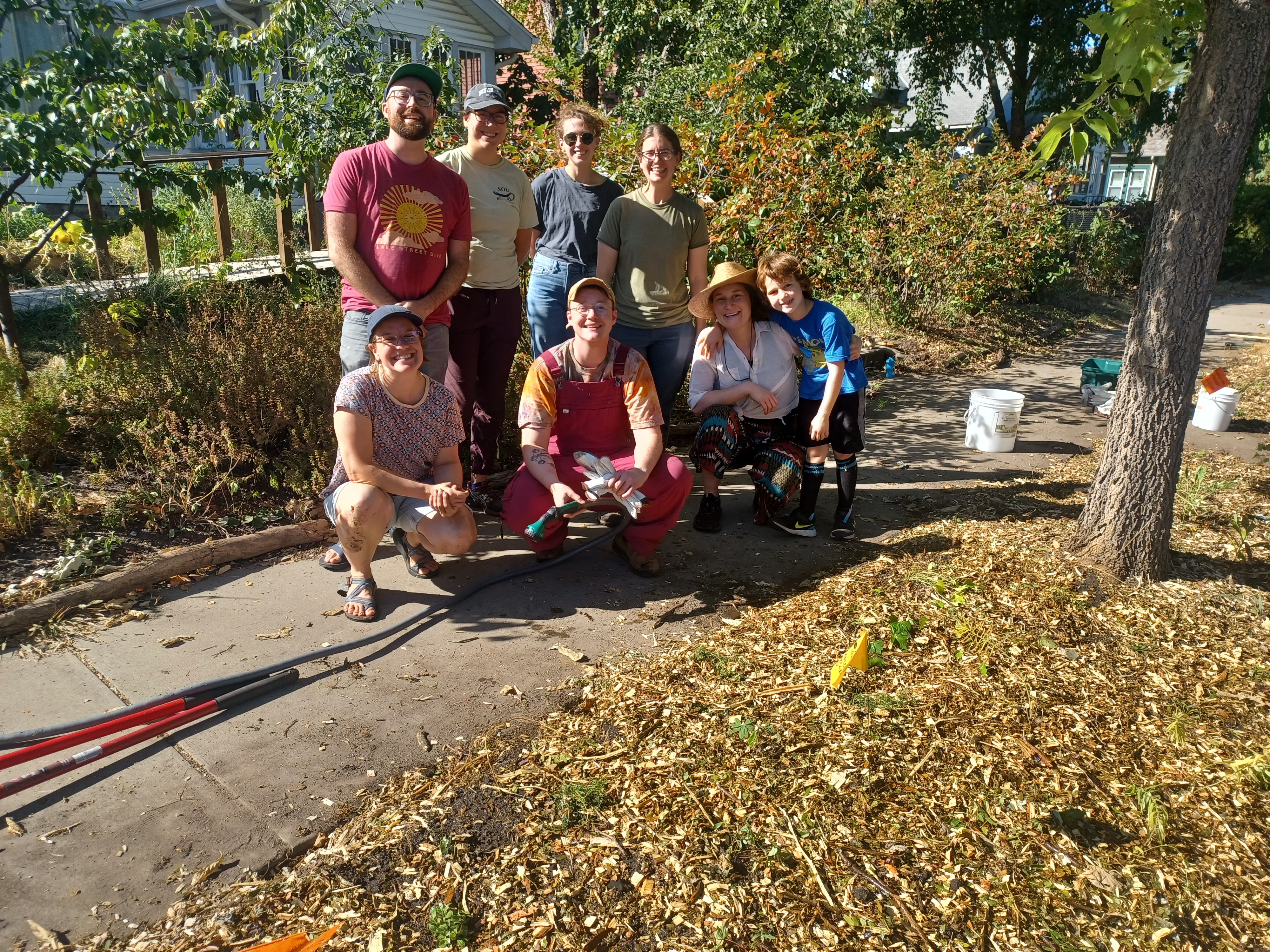
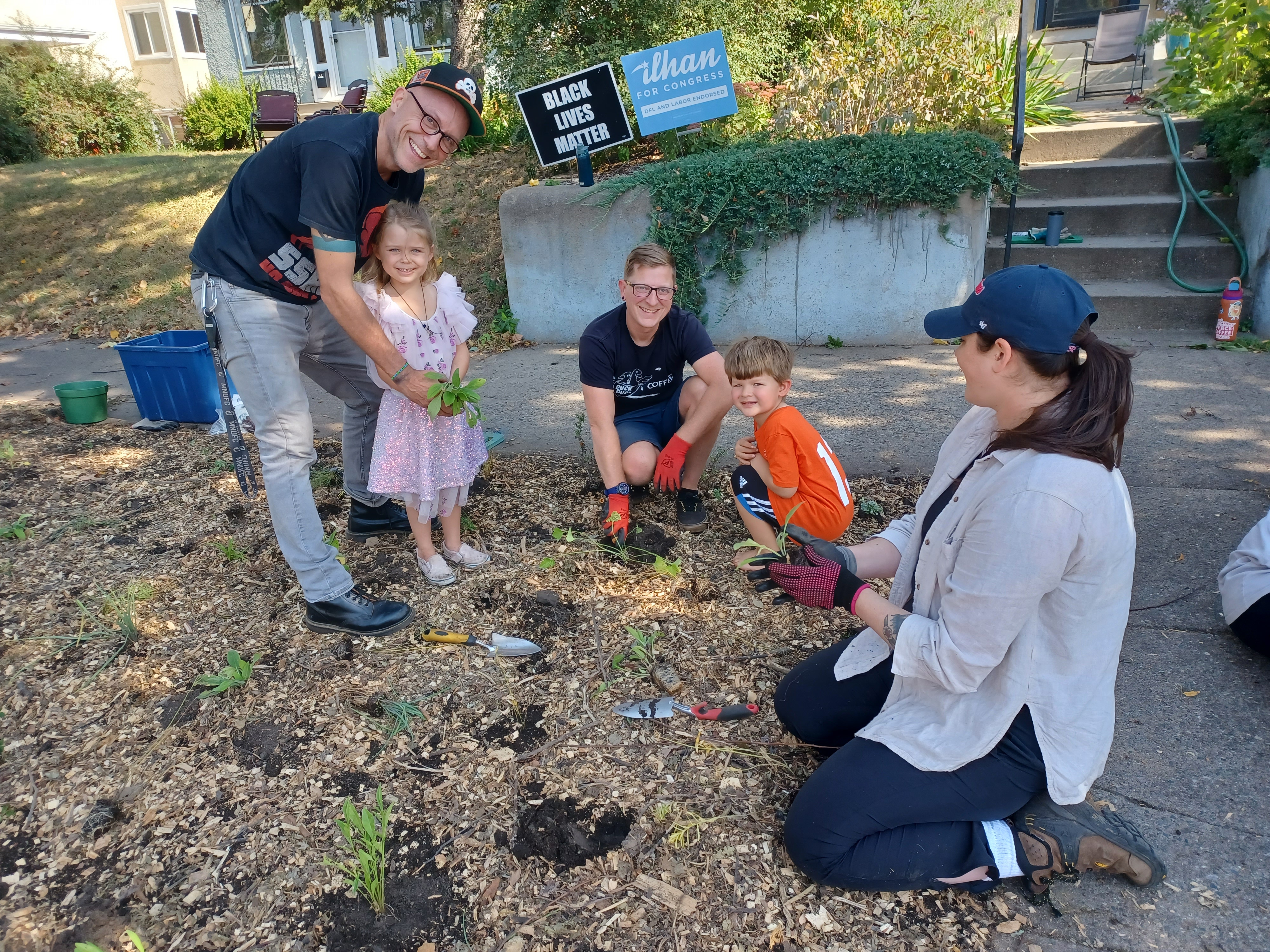
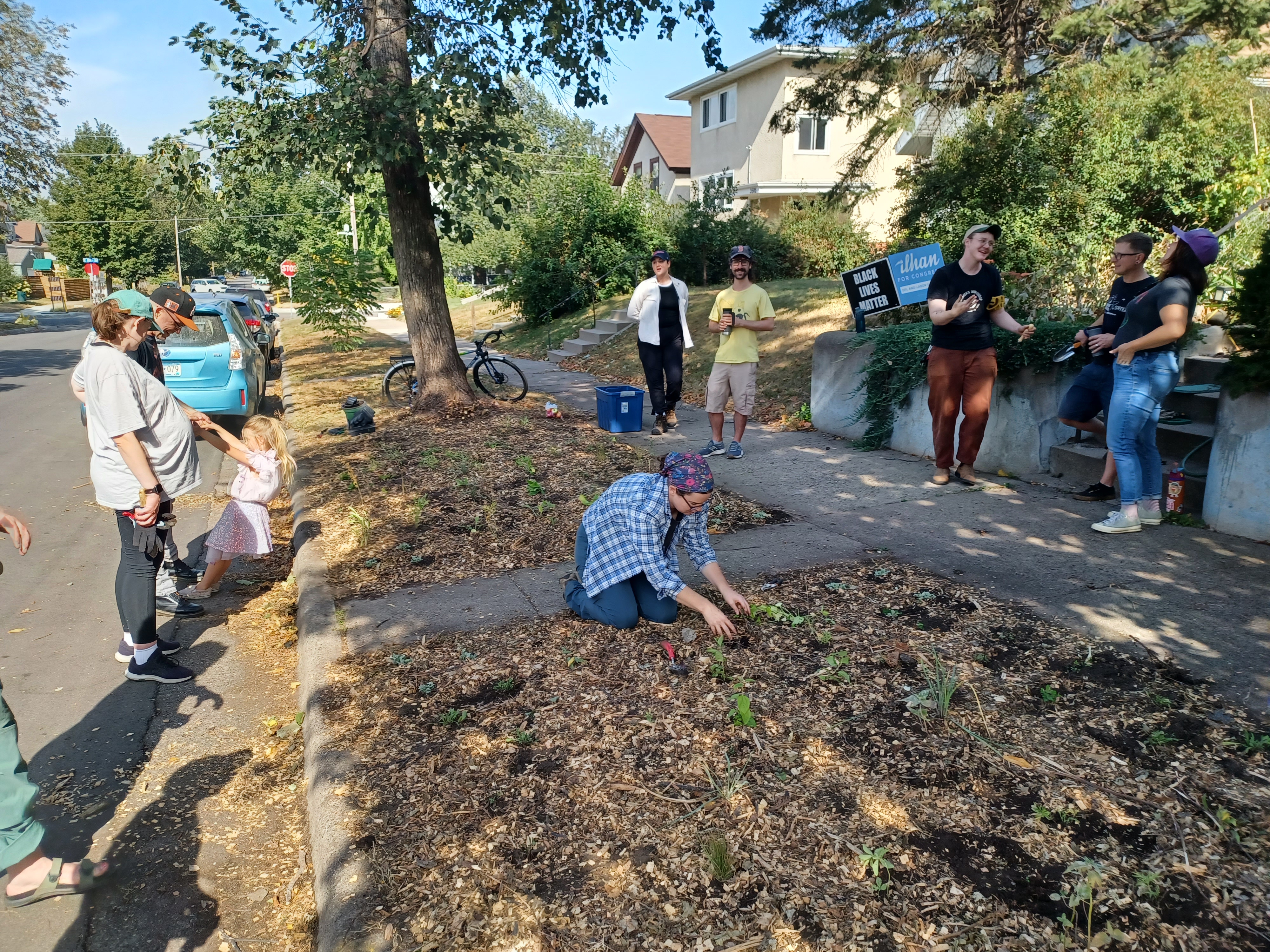
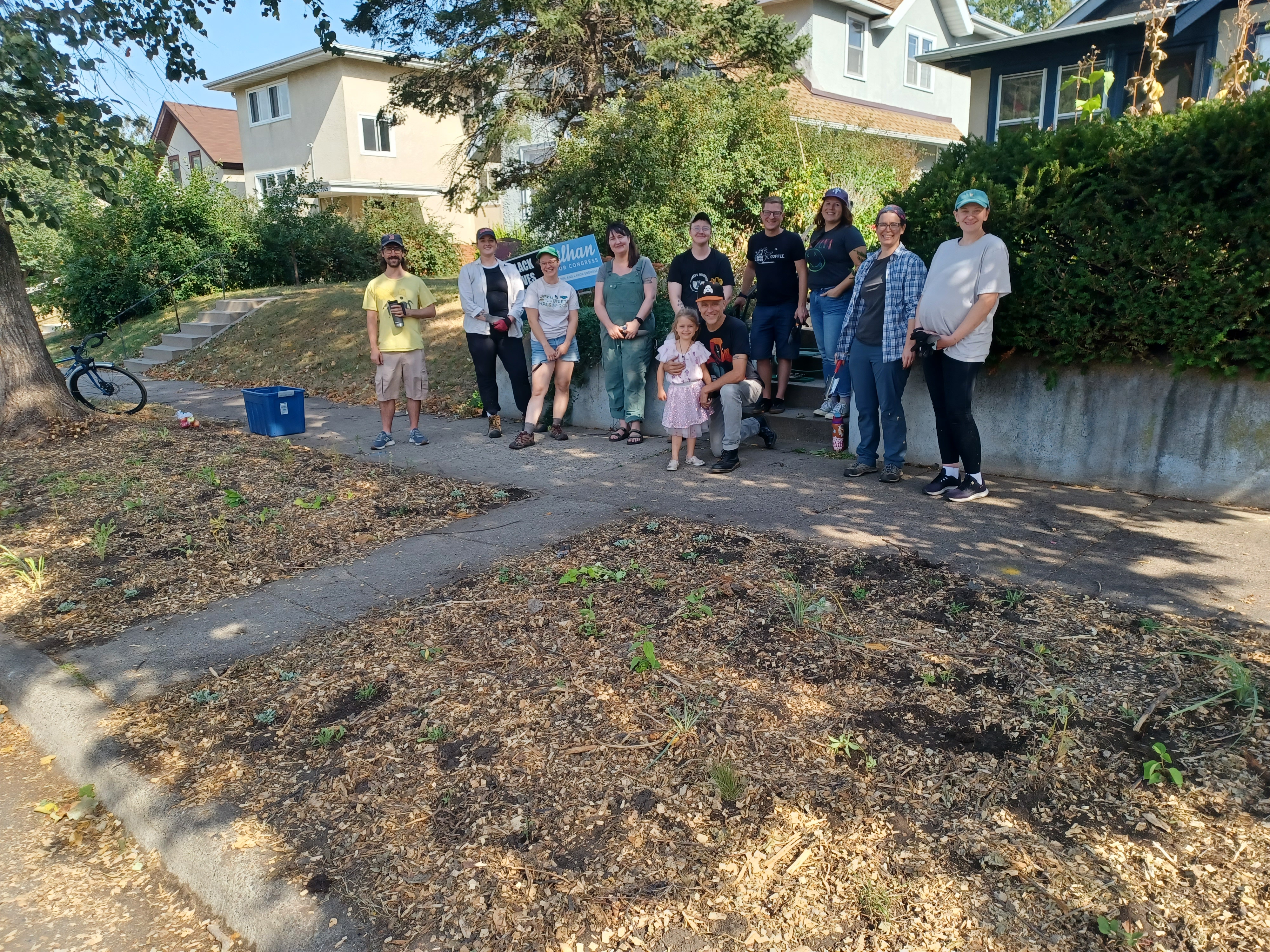
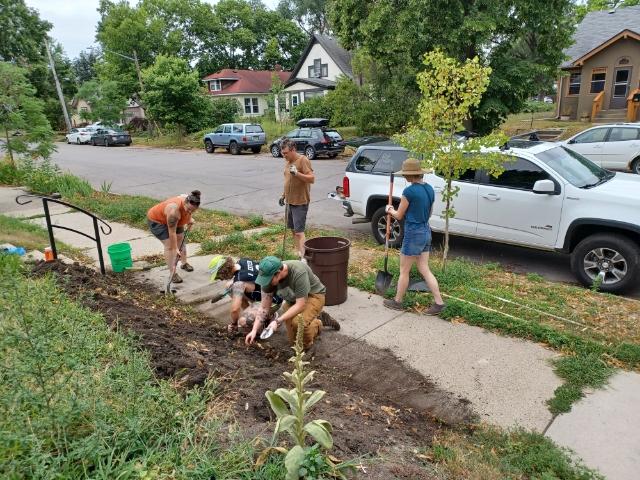
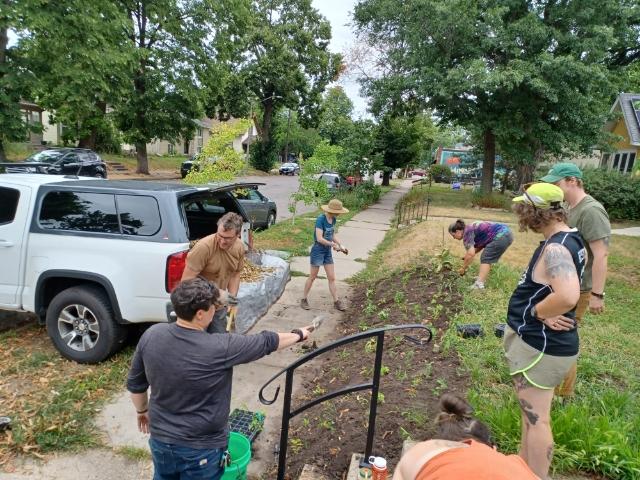
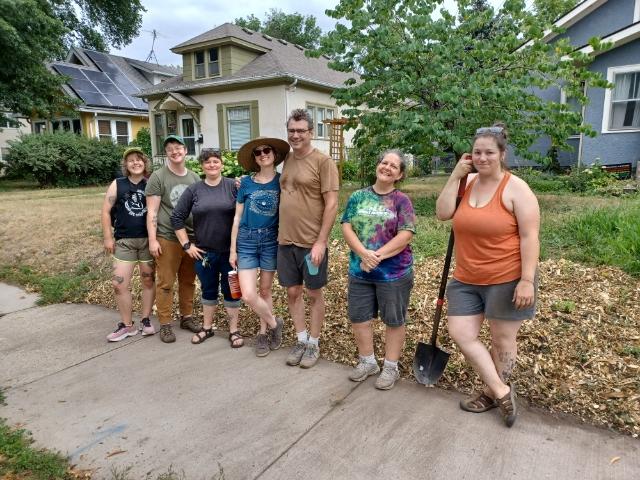
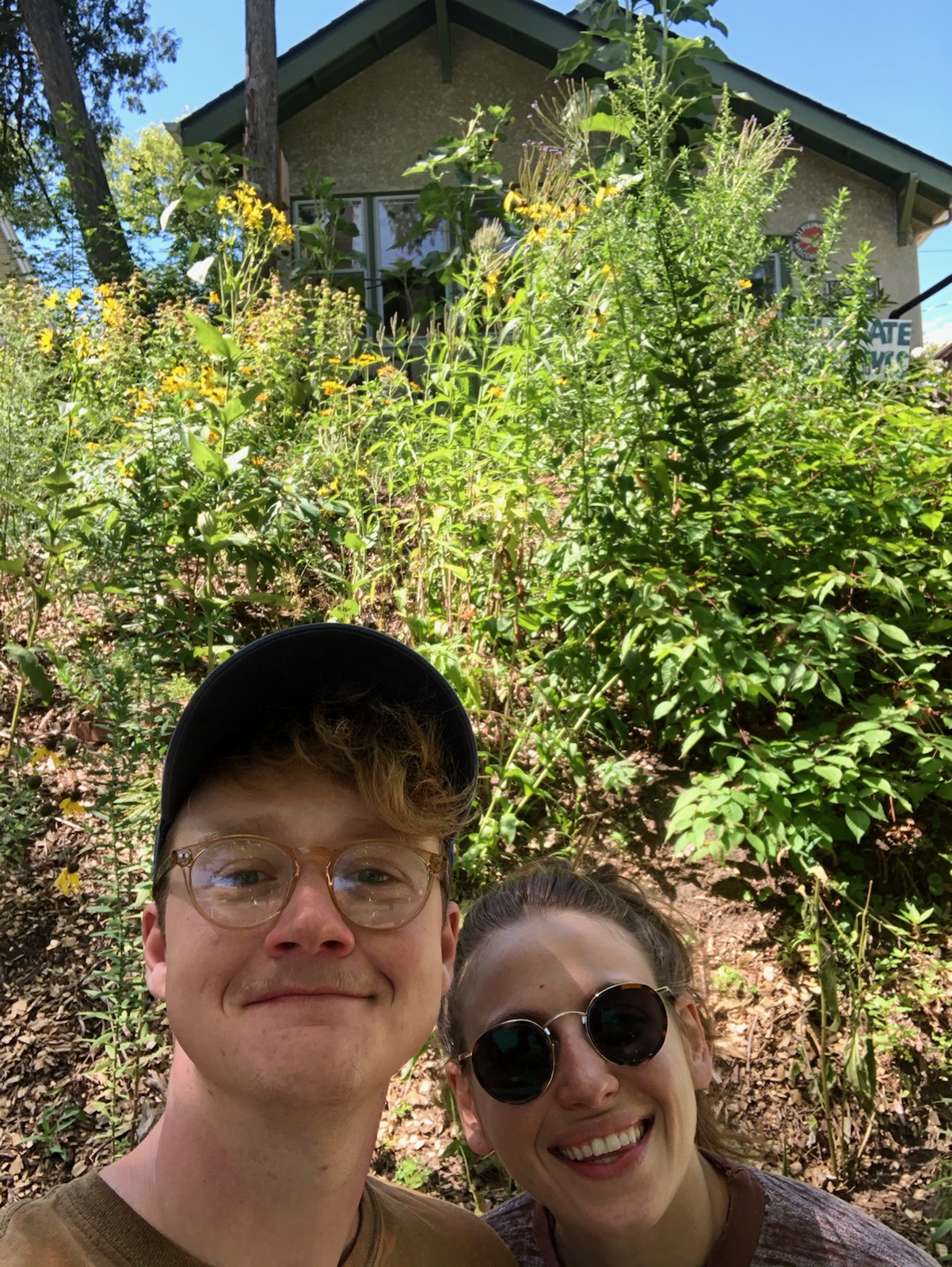
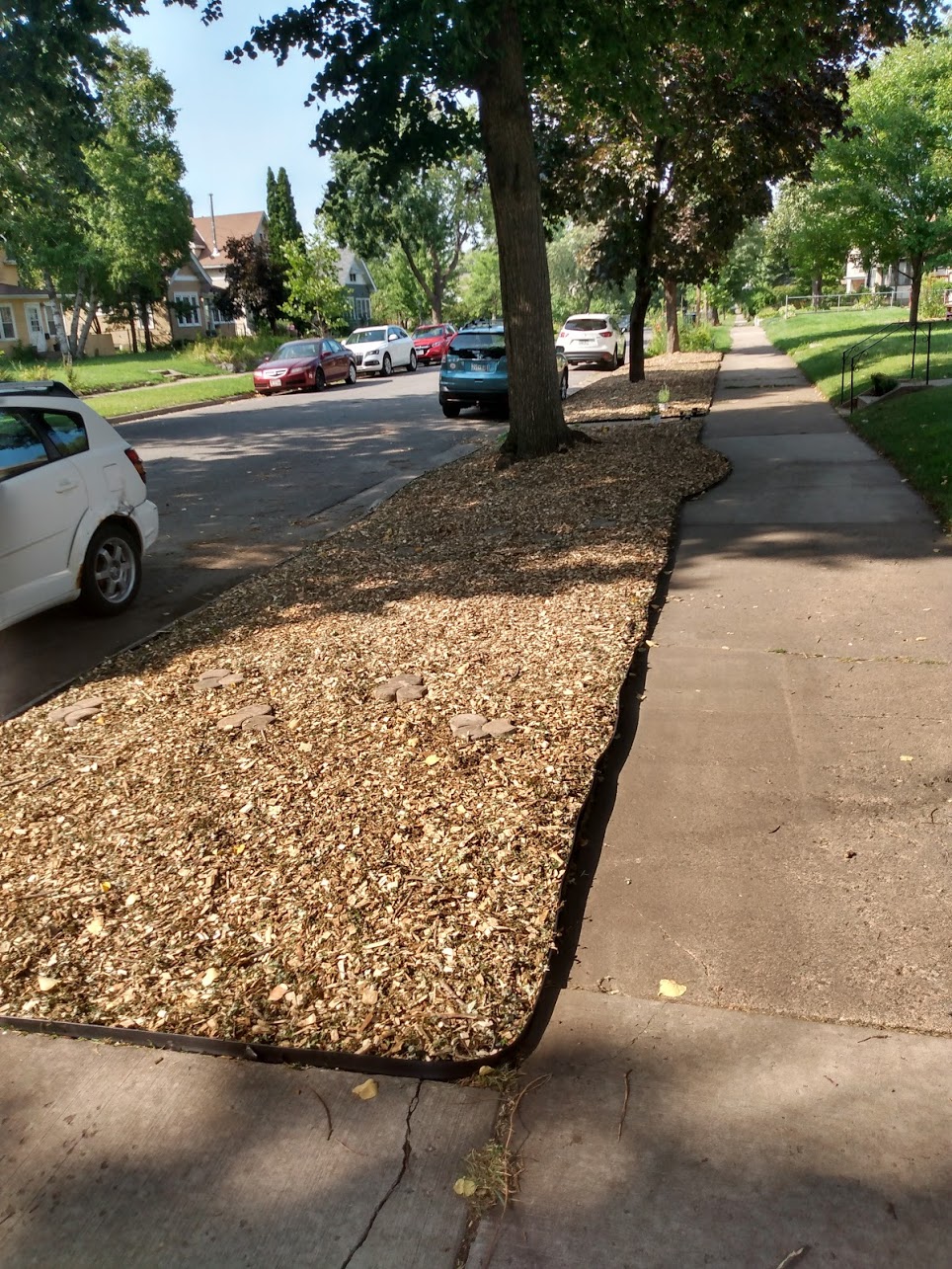
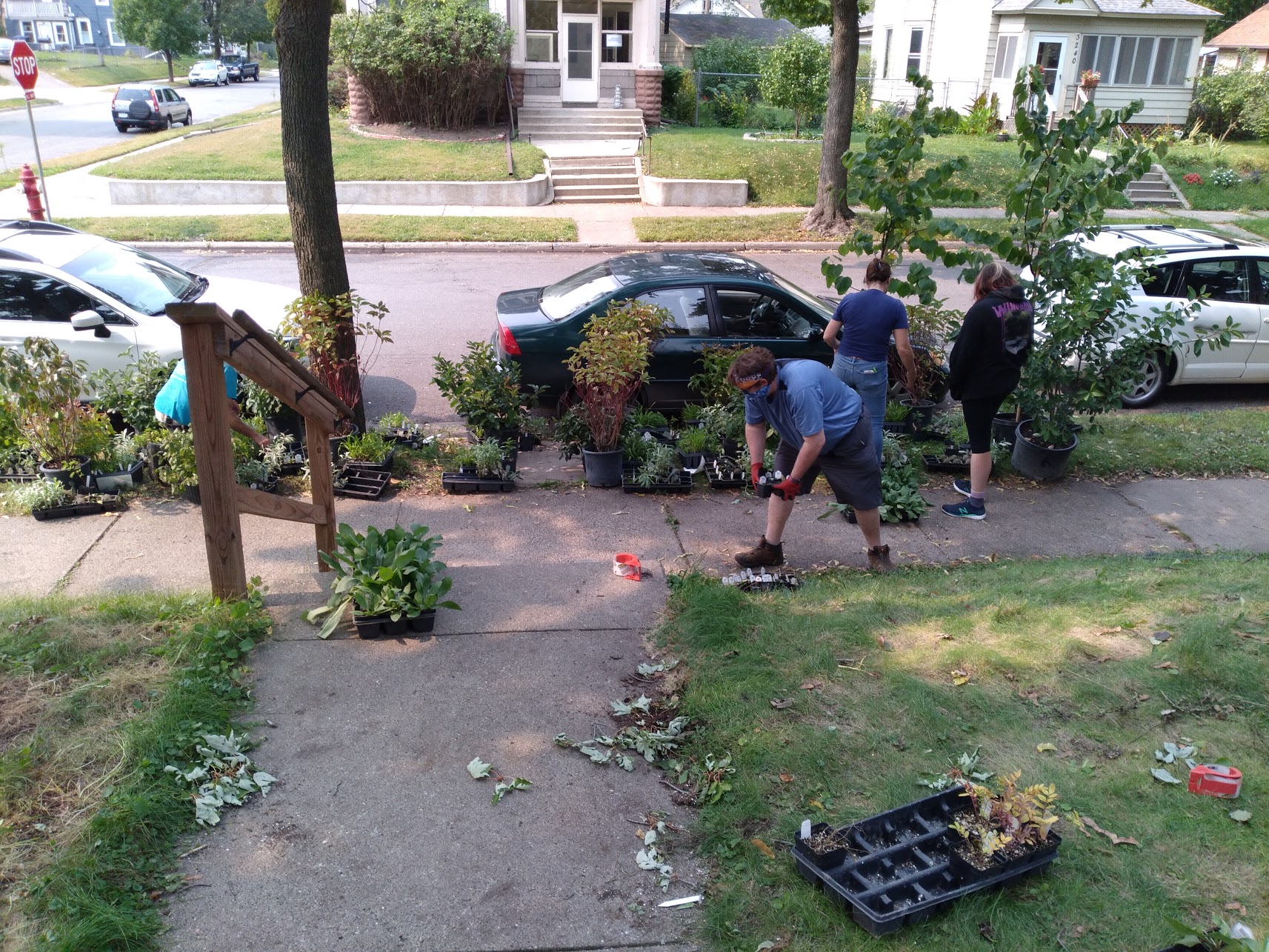
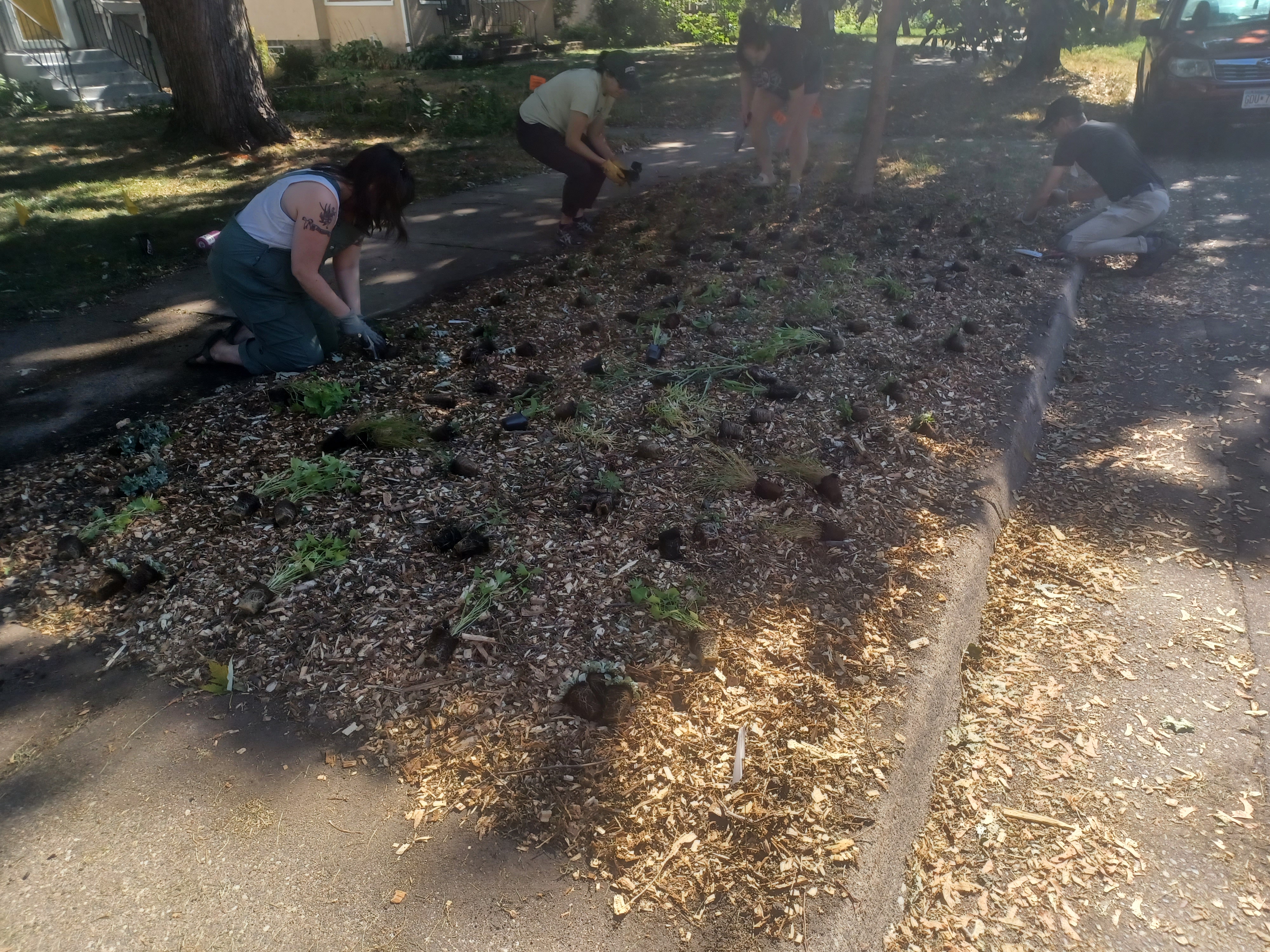
1. On September 28 and October 5, we planted four boulevard gardens (CPP gardens #38, 39, 40, and 41) for Corcoran neighbors Aerin, Roula, Andrea, and Matt. We used plants from the CPP nursery as well as some species from Minnesota Native Landscapes. About 30 friends and neighbors helped install the gardens. After the planting effort, we invited neighbors to come choose leftover plants from the nursery for their own gardens. We planted and distributed about 3,000 plants comprising 50 species.

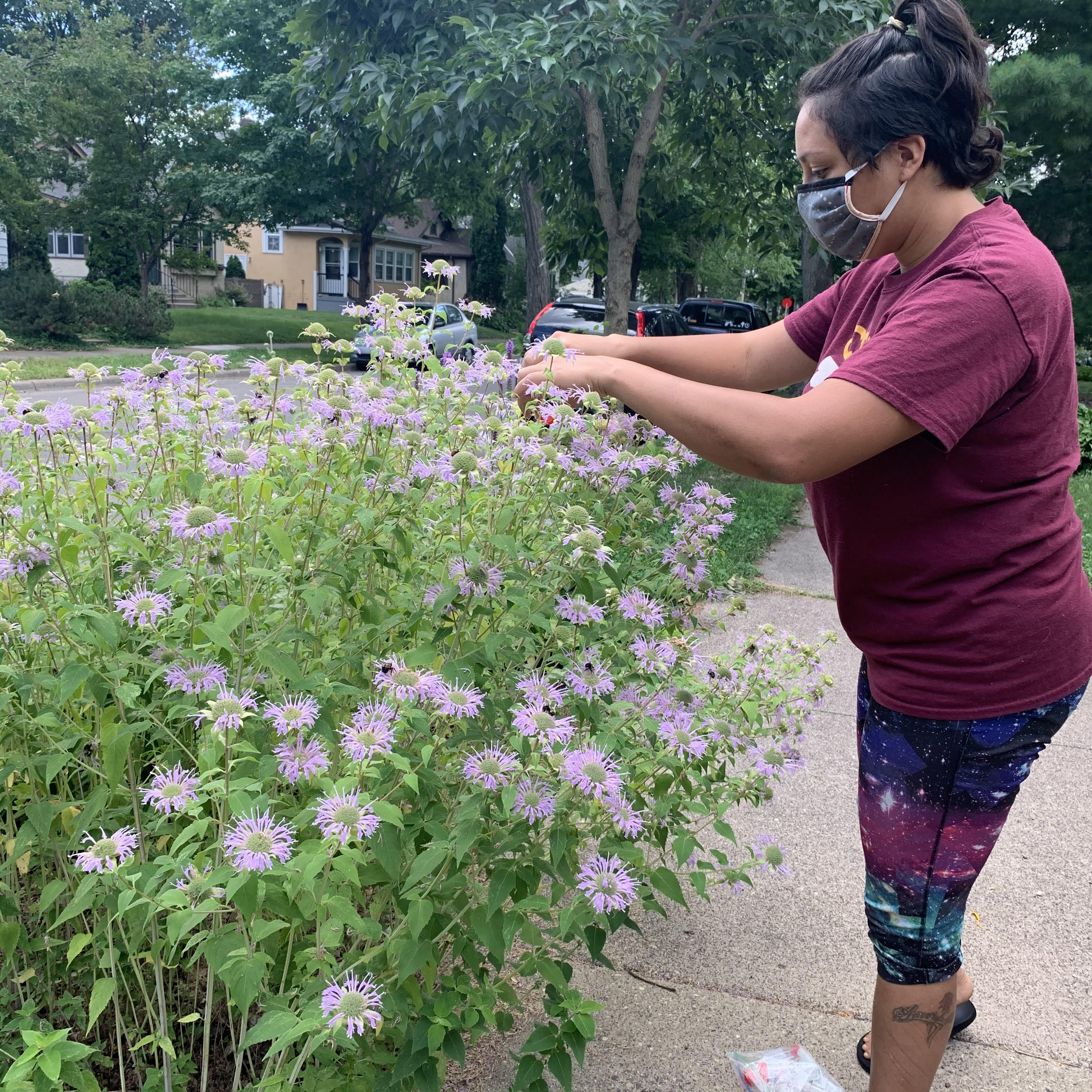
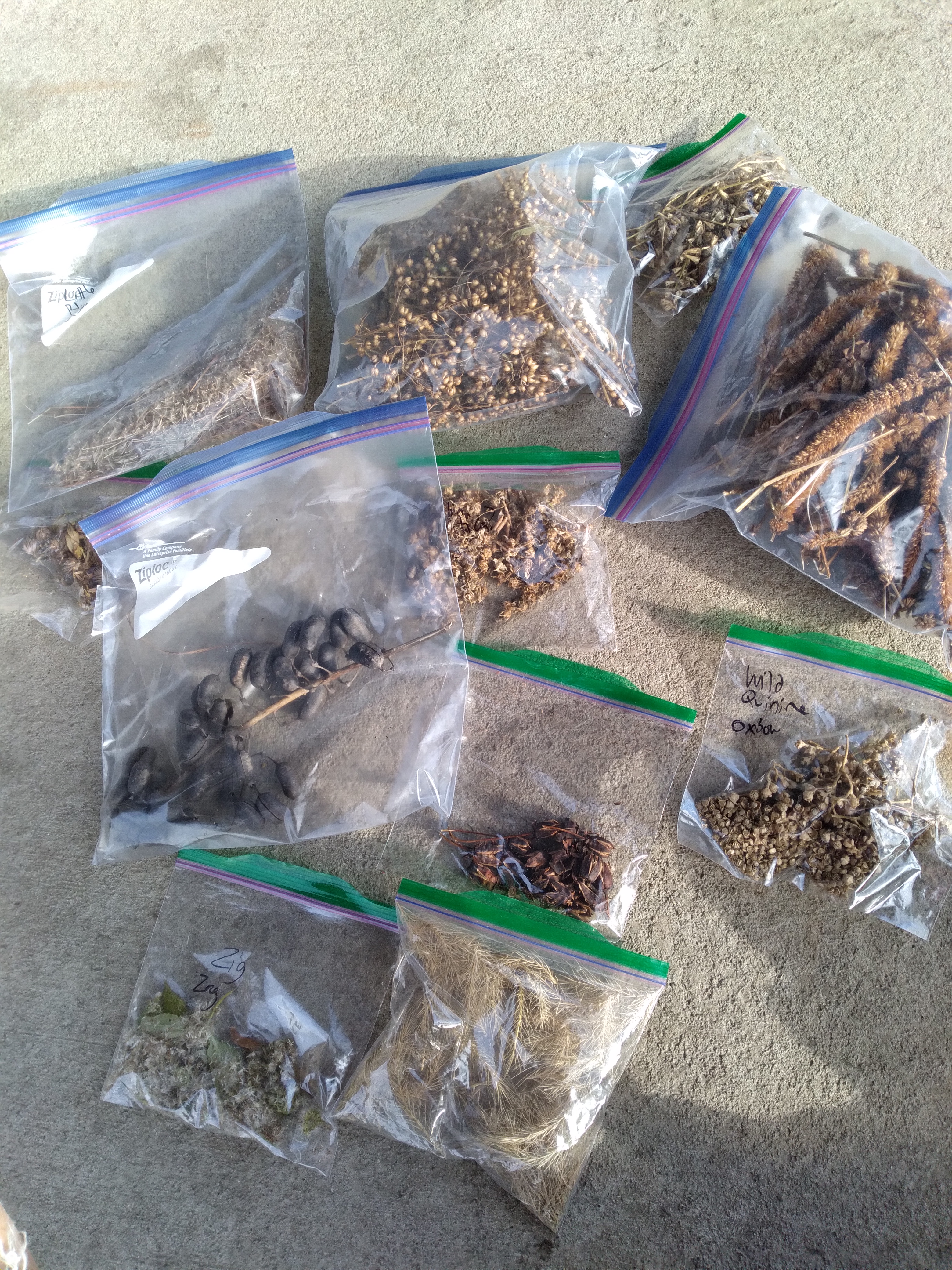
2. In September we hosted a seed collecting workshop. We collected about 20 species of seeds from mature CPP gardens planted over the last 8 years. We used many of the seeds at our seed starting day.

3. In August, we distributed 38 native and near native trees, shrubs, and vines to Corcoran residents. We wanted to include native trees and shrubs as part of our offerings because they’re a great way of adding lots of pollinator habitat and nutrition without the labor involved in starting an entire garden of herbaceous plants, and because many trees and shrubs provide critical early-season pollinator resources for queen bumble bees. (For more on this topic, see this article by CPP friend and native bee taxonomist Zach Portman). This year, we distributed 12 species including elderberry, hazelnut, prairie rose, shrubby St. Johnswort, spikenard, wild plum, wild yam, Illinois bundleflower, nannyberry, halberd leaved rosemallow, red osier dogwood, and American bittersweet.

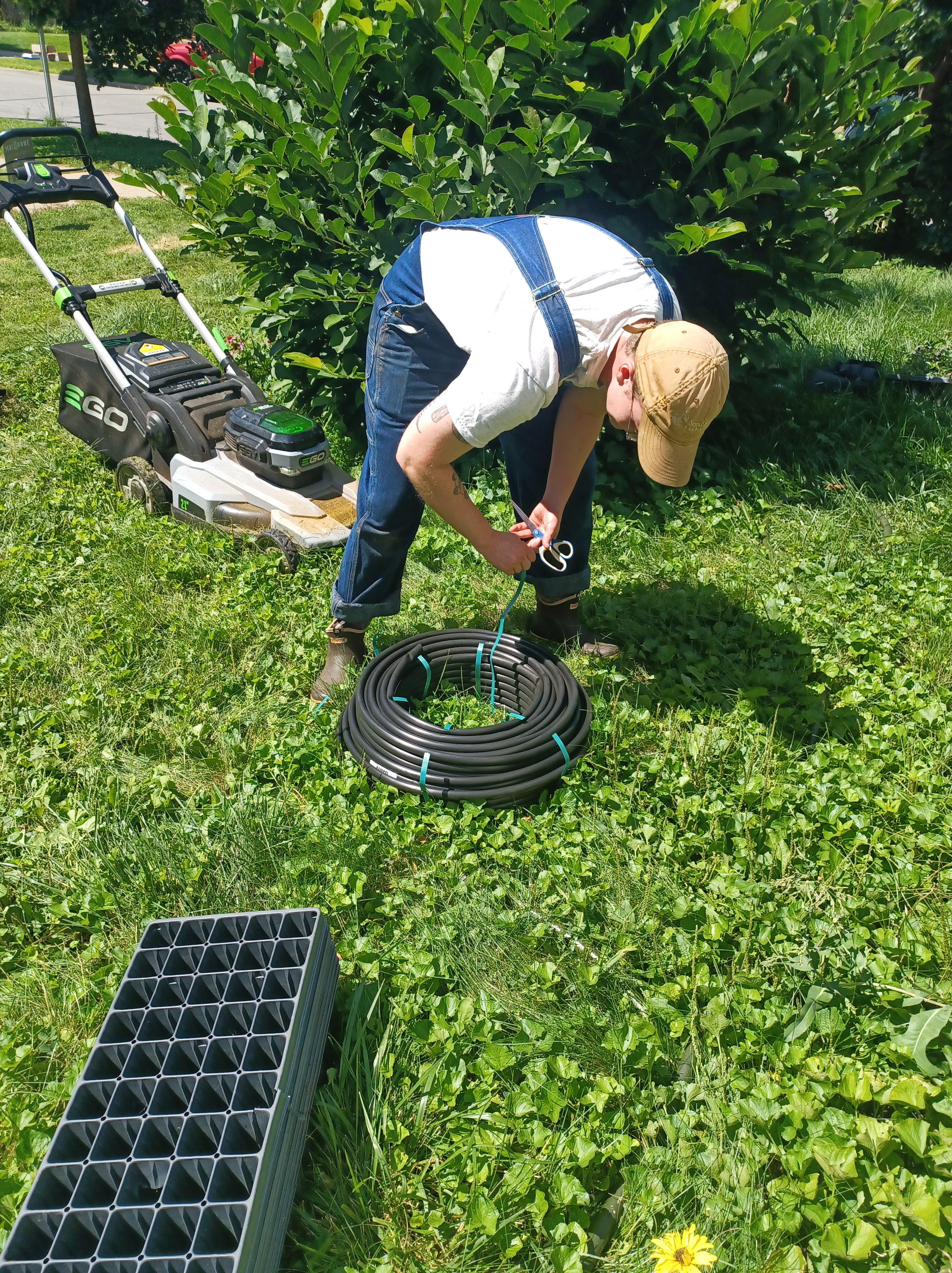
4. On August 11, we called on Charlie yet again to lead an irrigation workshop. We set up automatic irrigation for the CPP nursery and learned irrigation skills that any of us can apply to backyard gardens or nurseries.
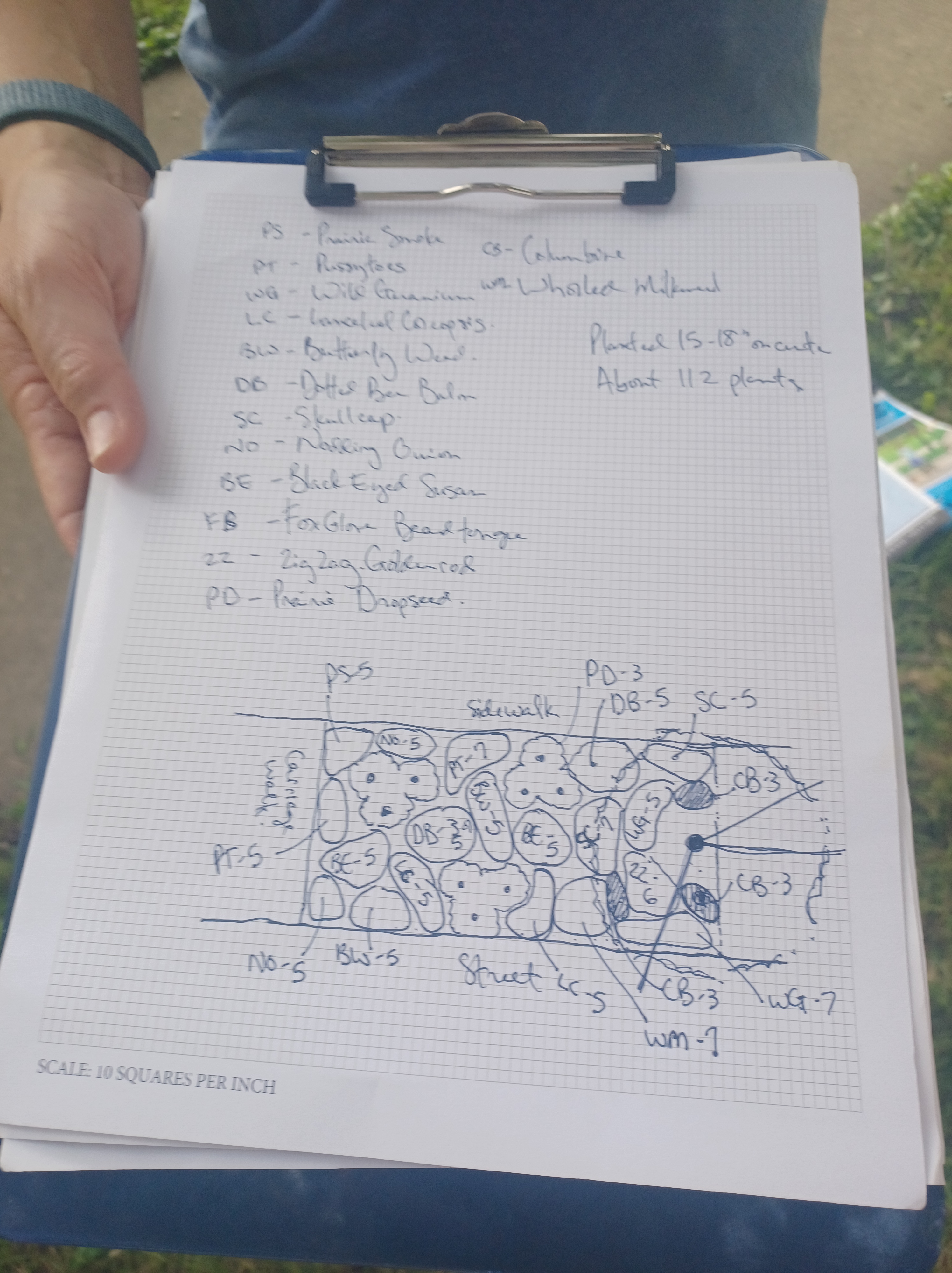
5. In July, we hosted Metro Blooms lead designer Jen Ehlert to lead a garden design workshop that informed our garden installation at one of our garden recipient sites. We learned about species selection, plant spacing, site preparation, stormwater considerations, and how to take soil and light conditions into account when creating a pollinator garden.

And that catches us up to the last blog post. Thank you so much to everyone who helped us make urban pollinator habitat this year. Extra gratitude goes to Casey, who hosted every event and the new CPP nursery while creating a new human, Charlie, who helped us do all the things that we didn’t know how to do, Anne and Kim, who’ve been integral to CPP since the beginning and generally keep the neighborhood together, and Hennepin County for supporting this work.

Looking forward to the planting adventures of 2025!

garden #37

In mid-August we added garden number 37 to the Corcoran Pollinator Project neighborhood initiative! It’s a sweet little hilly spot on 23rd Ave, and we look forward to watching it grow in the years to come. Garden #38 is coming up next, and we’ve also been supplementing and enhancing prior years’ gardens galore with the plants we started from seed last fall.

At this point in the summer, we hope you are seeing the monarchs arrive and thrive in your South Minneapolis neighborhoods. Seems there are fewer than last year, but hopefully that’s just due to the late spring and dry weather. Whatever the reason, it’s all the more motivation to keep up our work. Plant your prairie blazing star and let those milkweeds be!

2022 CPP Gardens!

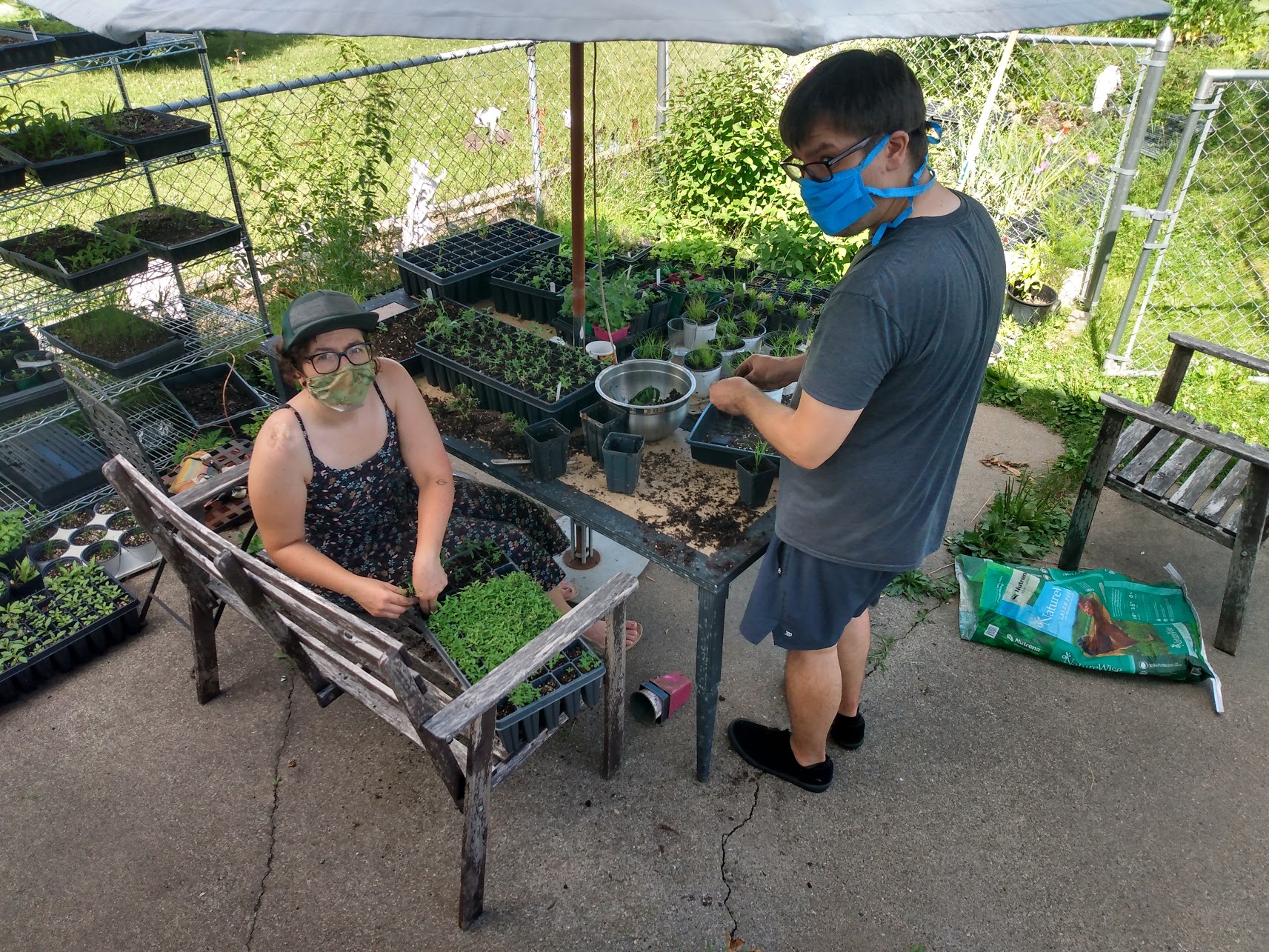
We have been a little quiet over here on the website so far this year, too busy gardening I guess! The seeds we started in November 2021 and overwintered are nearly ready for installation! See a couple pictures below. We are looking for two interested Corcoran homes to accept new pollinator patches. Please reach out via the website if that’s you!

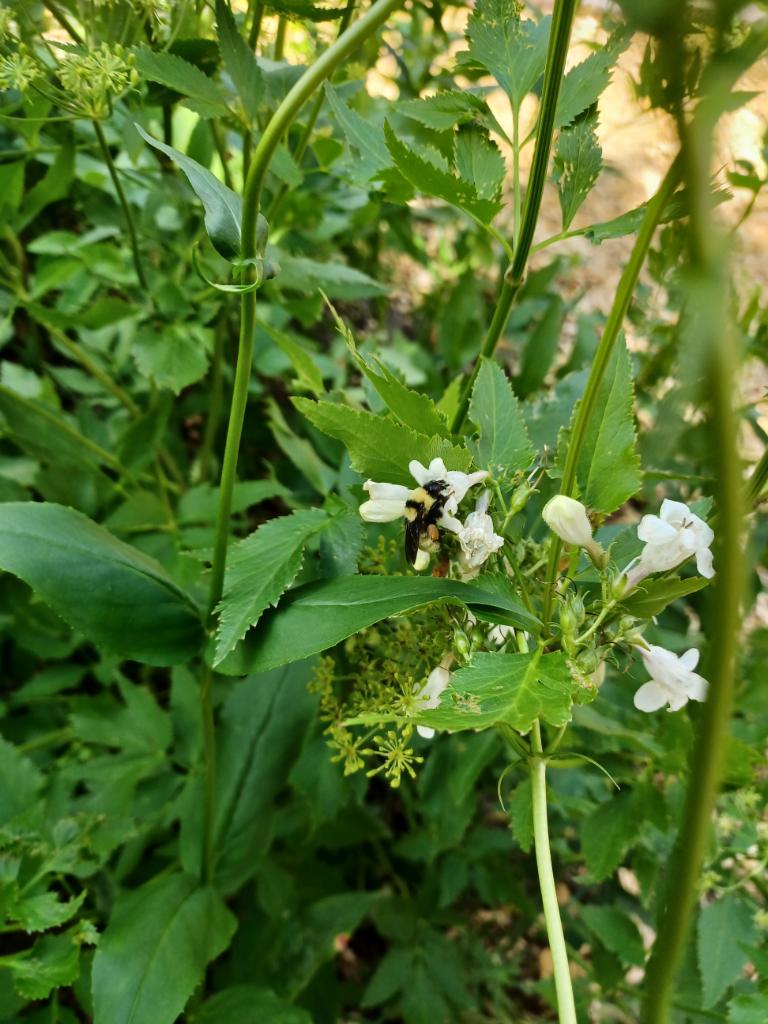
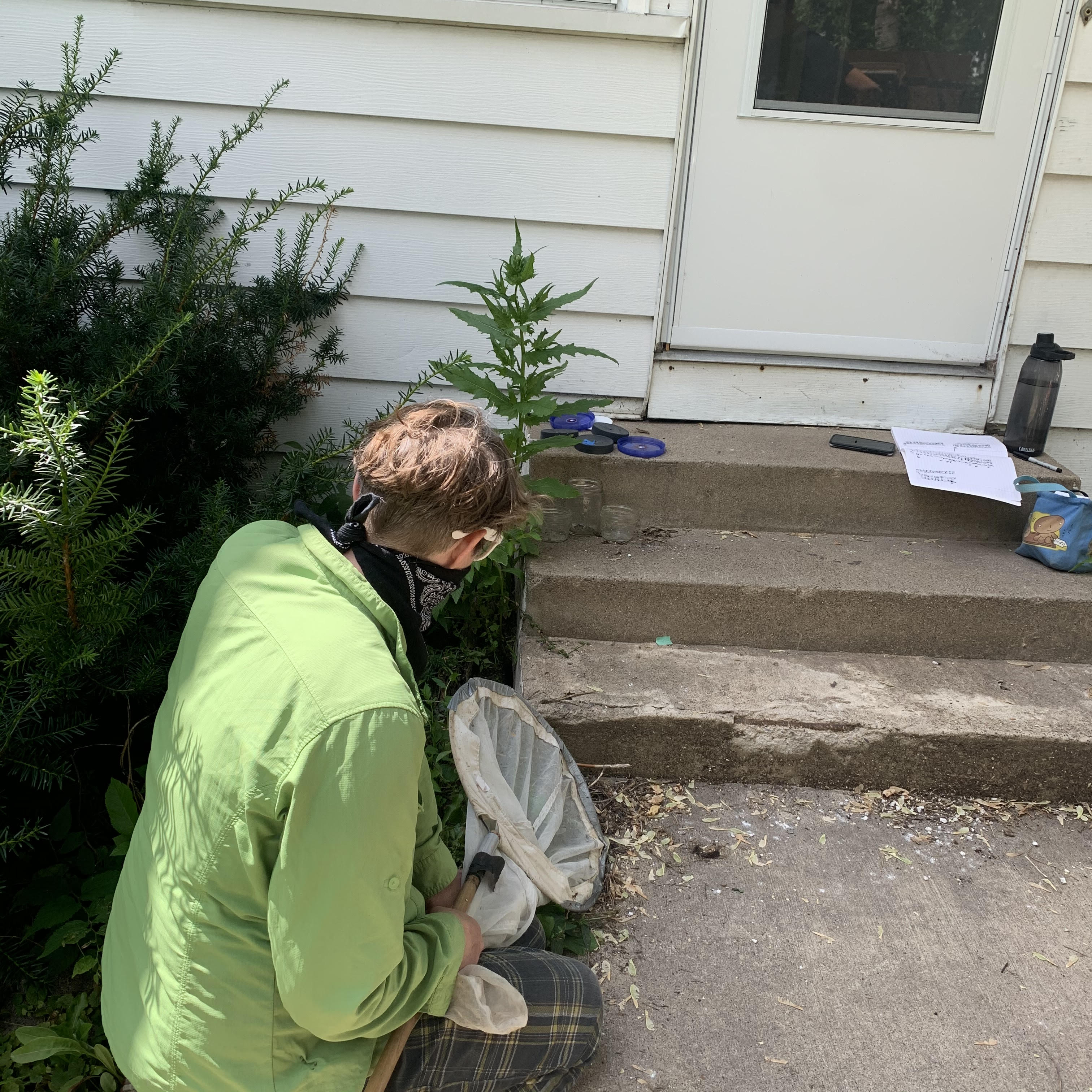
We are also planning a couple garden/bee walk dates for later July and August – so we can see which bees and other pollinators are present in the neighborhood. Sara spotted the Bombus Fervidus pictured at the top of this post, which is special because it’s a declining species of special concern in Wisconsin. Zach Portman, bee taxonomist at the University of Minnesota in the Cariveau Native Bee Lab and Sara Nelson, CPP’s founder, will lead the tours. Stay tuned for more info, and happy gardening in the meantime!

wrapping up 2020

This year, despite everything, our extended CPP community did an amazing job getting thousands of native plants in the ground, making a home for wild nature in the city and building connections with each other. Here are some pics highlighting our hopeful moments in a very tough year.

  1. We grew 100 species of native plants from seed, took care of them all summer, and made them into garden kits.

2. More than 50 neighbors in Corcoran, Phillips, and beyond adopted these kits–totaling about 6,000 plants!–and used them to create new pollinator gardens, or to expand existing pollinator gardens.

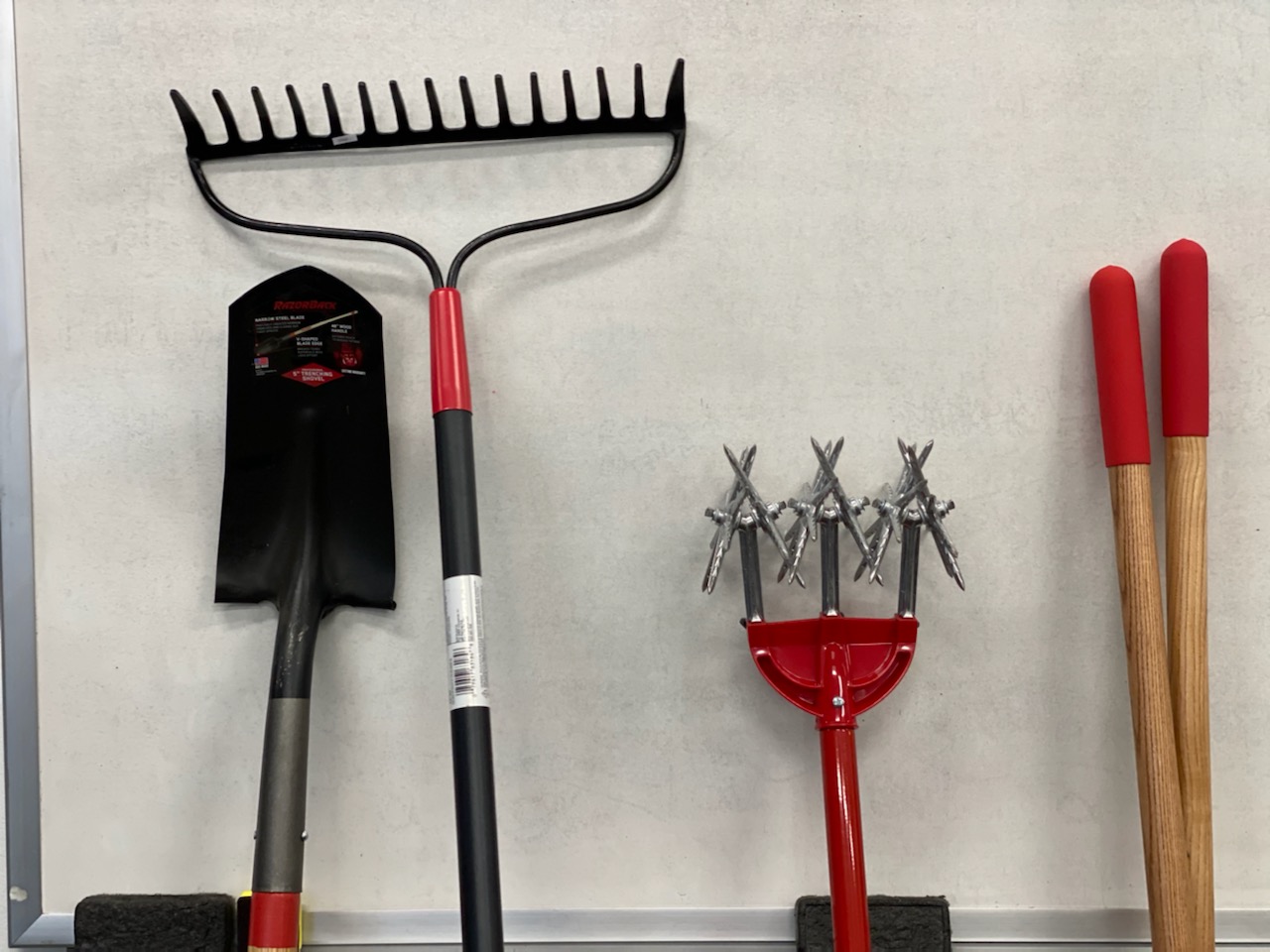
3. We also partnered with Metro Blooms and CNO on a Lawns to Legumes demonstration neighborhood grant, which provided professionally-designed pollinator gardens along with native trees and shrubs to 30 residents of Corcoran and Phillips. The grant included funds for a brand new pollinator garden tool library (including a sod cutter!) housed in CNO that will be available starting in 2021.

4. In a freaky coincidence, towards the end of the summer we found a nest of endangered rusty patched bumblebees in the steps of Daniel’s new house. This is one of only a few rusty patched nests ever found in MN. UMN Bee Lab scientists were able to observe the nest to gain crucial conservation knowledge about the species.

5. By November it was time to mix up a batch of potting soil to start seeds for next year. We’re using space at Squash Blossom Farm to start the seeds once again.

6. For 2021 we’re focusing on short-statured and early-blooming species, as well some interesting trees and shrubs like prairie wild rose, bladdernut, and wafer ash (seeds pictured above). We got lots of seed from Prairie Moon using L2L grant funds, and we also collected some seed from mature gardens we’ve planted in the last few years, from the demonstration gardens at the Bee Lab, and from seed collecting days with The Prairie Enthusiasts.

As I write this, these seeds are starting their journey to becoming beautiful plants that will feed and shelter our insect buddies and provide all manner of quantifiable and unquantifiable benefits to our lives. We can look forward to lots more planting soon.

xo SN

Brown-belted bumble bee (Bombus griseocollis) on meadow blazing star (Liatris ligulistylis). (Thanks to Elaine Evans for bee ID)